
How ABA Therapy Benefits Children with Autism
Understanding ABA Therapy
Applied Behavior Analysis (ABA) therapy is one of the most effective interventions for children with autism. It is a scientifically validated approach that focuses on improving specific behaviors such as social skills, communication, reading, and academics, as well as adaptive learning skills like fine motor dexterity, hygiene, grooming, and domestic capabilities.

How ABA Therapy Works
ABA therapy uses techniques and principles to bring about meaningful and positive changes in behavior. The core principle behind ABA is the use of positive reinforcement. When a behavior is followed by some sort of reward, the behavior is more likely to be repeated. Over time, this encourages learning and growth in the child.
A typical ABA session involves a therapist working one-on-one with a child. The therapist observes the child’s behavior and uses specific strategies to teach new skills or modify existing behaviors. These sessions are often customized to meet the individual needs of the child, making it a highly personalized approach.
Benefits of ABA Therapy for Children with Autism
ABA therapy offers numerous benefits for children with autism. One of the primary advantages is that it helps improve communication skills. Many children with autism struggle with verbal and non-verbal communication, and ABA can help them express their needs and emotions more effectively.
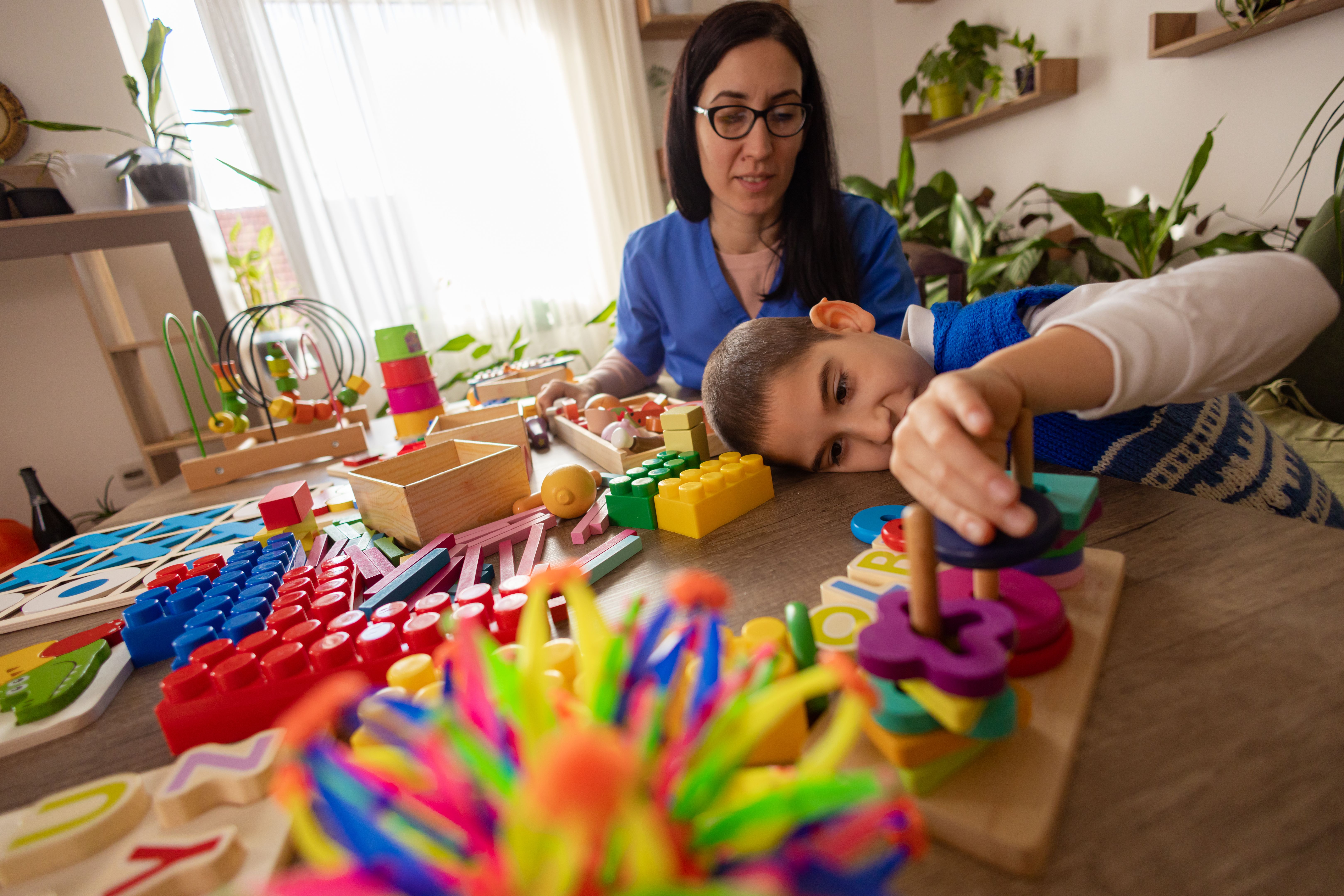
Another significant benefit is the enhancement of social skills. Through ABA, children learn how to interact with peers and adults, understand social cues, and engage in appropriate social behaviors. This can be crucial in helping them integrate into school settings and community activities.
Development of Life Skills
ABA therapy also plays a critical role in developing life skills that are essential for independence. By focusing on areas such as self-care, safety, and daily routines, ABA helps children gain the confidence and ability to perform tasks that are necessary for everyday living.
The structured approach of ABA allows for measurable progress in these areas, which can significantly improve the quality of life for children with autism and their families.

Parental Involvement
A key component of successful ABA therapy is parental involvement. Parents are encouraged to participate in sessions and learn techniques that can be used at home. This collaboration ensures consistency in the child’s learning environment and enhances the effectiveness of the therapy.
By engaging in their child’s progress, parents can provide important insights and support, which contributes to better outcomes.
The Importance of Early Intervention
Research has shown that early intervention is crucial in maximizing the benefits of ABA therapy. Starting therapy at a young age can lead to more significant improvements in communication, socialization, and cognitive skills. Early intervention can also minimize developmental delays and increase the likelihood of achieving educational goals.
In conclusion, ABA therapy offers a comprehensive approach to supporting children with autism. By focusing on individualized strategies and involving family members in the process, it addresses various aspects of a child's development, paving the way for a more independent and fulfilling life.