Understanding ABA Therapy: A Guide for Parents in New York
What is ABA Therapy?
Applied Behavior Analysis (ABA) therapy is a scientific approach to understanding behavior and how it is affected by the environment. It is commonly used to help individuals with autism and other developmental disorders by encouraging positive behaviors and reducing harmful or challenging ones. In New York, ABA therapy is widely recognized and practiced, providing families with a valuable resource for supporting their children.
The principles of ABA are based on decades of research and involve techniques that help increase useful behaviors and decrease those that are harmful or affect learning. The goal is to improve communication, social skills, and adaptive learning skills, ultimately enhancing the individual's quality of life.
How Does ABA Therapy Work?
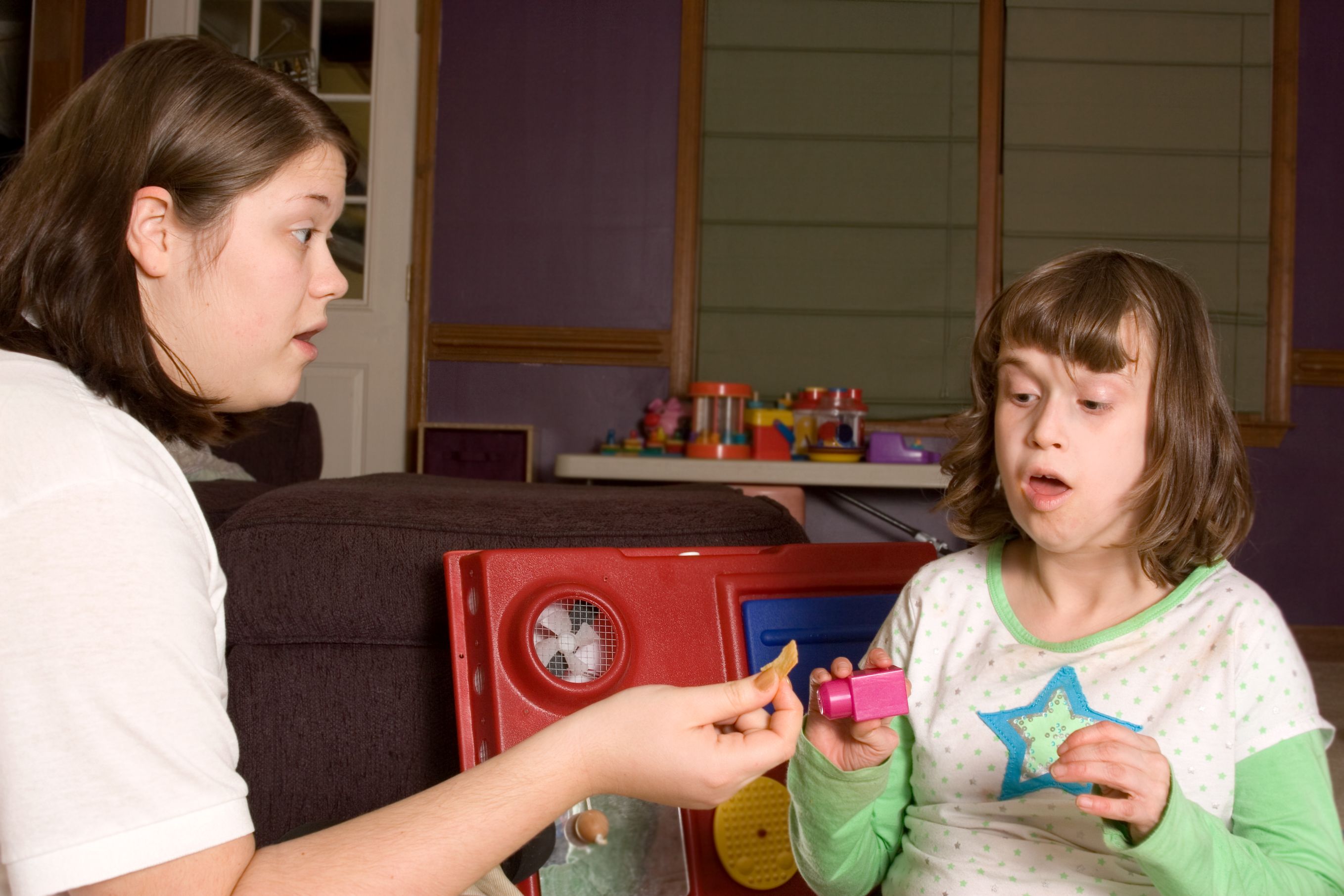
ABA therapy is highly individualized, tailored to meet the unique needs of each child. It involves a detailed assessment of the child's abilities and challenges, followed by the development of a customized intervention plan.
The therapy consists of structured sessions where specific skills are taught in a step-by-step manner. Positive reinforcement is a key component, ensuring that children are motivated and encouraged to learn new skills. Progress is closely monitored, and interventions are adjusted based on data collected during sessions.

The Role of a Board Certified Behavior Analyst (BCBA)
A Board Certified Behavior Analyst (BCBA) plays a crucial role in ABA therapy. BCBAs are responsible for assessing the child's needs, designing the treatment plan, and supervising the implementation of the therapy. They work closely with parents and caregivers to ensure consistency and effectiveness.
In New York, BCBAs are required to have extensive training and certification, ensuring that they are equipped with the necessary skills to support families effectively.

Benefits of ABA Therapy
ABA therapy offers numerous benefits for children with autism and their families. Some of the key advantages include:
- Improved Communication Skills: ABA helps children develop essential communication skills, making it easier for them to express their needs and interact with others.
- Enhanced Social Interactions: By teaching social skills, ABA enables children to build relationships with peers and family members.
- Greater Independence: ABA fosters self-help skills, allowing children to perform daily tasks more independently.
Choosing an ABA Provider in New York
Selecting the right ABA provider can significantly impact the success of the therapy. In New York, there are various considerations to keep in mind when choosing a provider:
- Ensure that the provider employs certified BCBAs.
- Look for a provider with a strong track record and positive testimonials from other parents.
- Consider the location and availability of services to suit your family's schedule.
Involving Parents in ABA Therapy
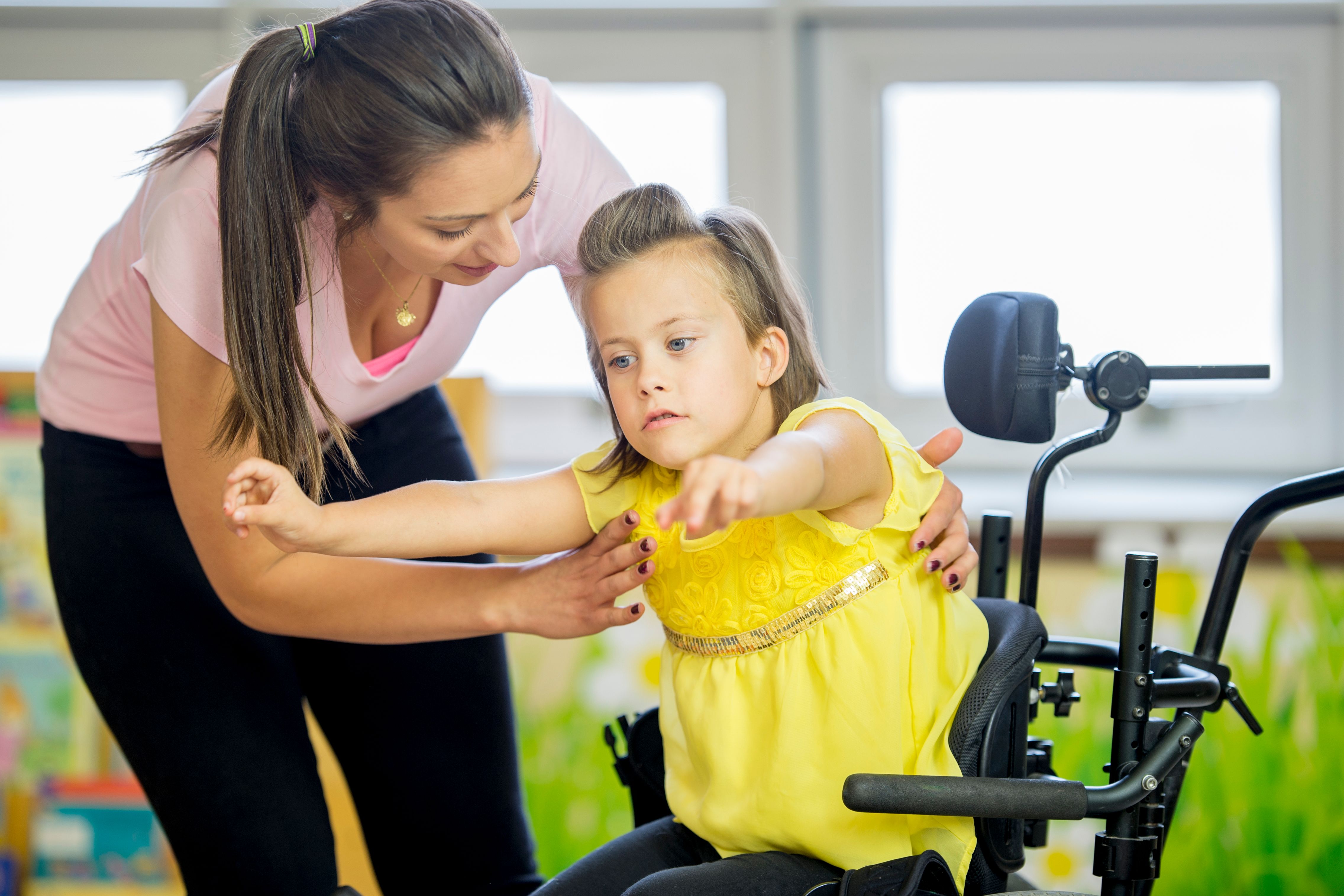
Parental involvement is a fundamental aspect of ABA therapy. Parents are encouraged to participate in sessions and collaborate with therapists to reinforce learning at home. This collaboration helps create a consistent learning environment and accelerates progress.
Workshops and training sessions are often available for parents in New York, equipping them with the knowledge and skills needed to support their child's development effectively.

Conclusion
Understanding ABA therapy is essential for parents seeking support for their children with autism or other developmental disorders in New York. By familiarizing themselves with how ABA works, its benefits, and how to choose an appropriate provider, parents can make informed decisions that positively impact their child's growth and well-being.
With the right resources and support, families can embark on a rewarding journey toward helping their children reach their fullest potential.