Success Stories: How ABA Therapy Transforms Lives in Manhattan
Understanding ABA Therapy
Applied Behavior Analysis (ABA) therapy has become a cornerstone in the treatment of autism and other developmental disorders. By focusing on improving specific behaviors such as social skills, communication, reading, and academics, ABA therapy significantly impacts the lives of individuals, especially in bustling cities like Manhattan.
In Manhattan, where the pace of life is fast and the environment dynamic, ABA therapy provides tailored strategies that cater to the unique needs of each individual. The therapy's adaptability makes it a powerful tool in helping individuals integrate more fully into their communities.
Success Stories: Real-Life Transformations
One of the most compelling aspects of ABA therapy is the success stories that emerge from its practice. These stories highlight the transformative power of ABA in enhancing the quality of life for individuals and their families.
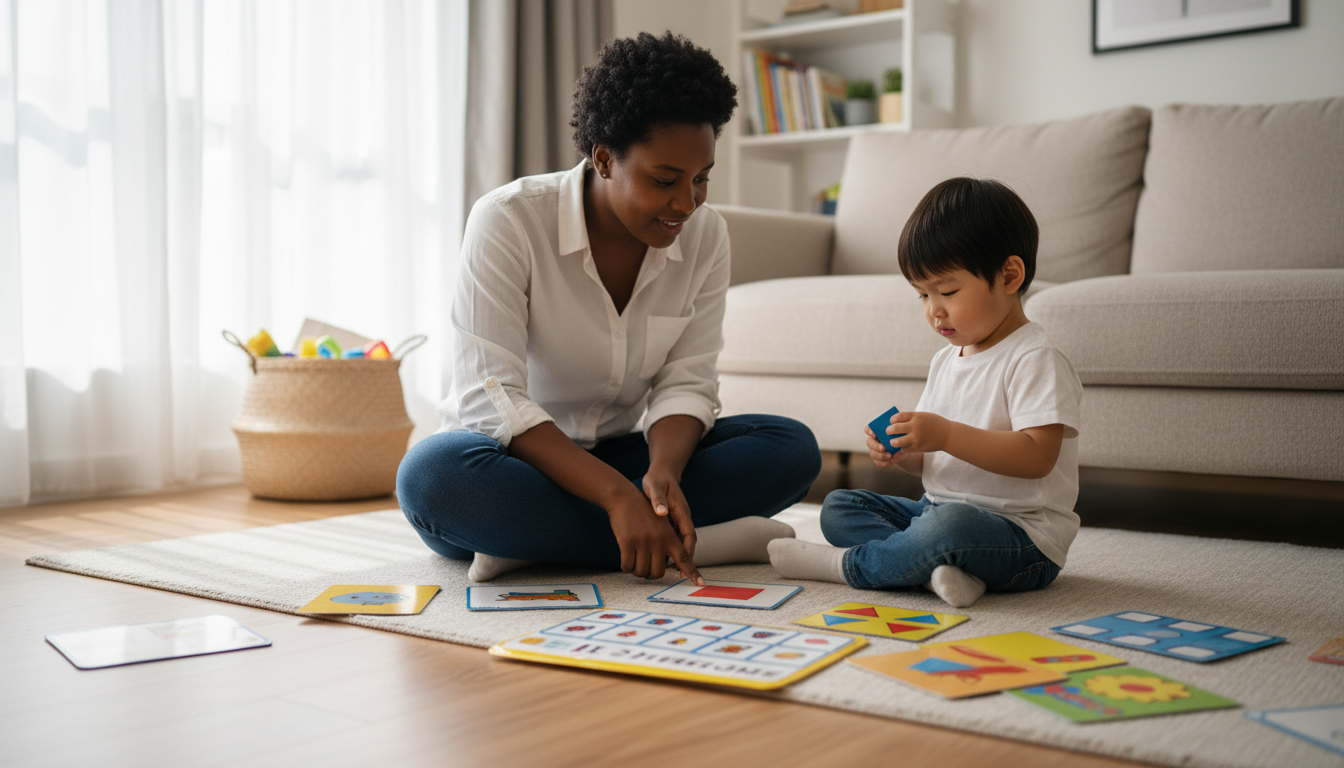
For instance, a young boy named Ethan, diagnosed with autism spectrum disorder, struggled with communication and social interaction. After several months of dedicated ABA therapy, Ethan began to show remarkable improvements. He started engaging with peers, expressing his needs more clearly, and participating in family activities with enthusiasm.

Improving Social Skills
The development of social skills is a significant focus of ABA therapy. In Manhattan, therapists work closely with clients to develop personalized strategies that foster social interaction. Techniques such as role-playing, social stories, and interactive games are commonly used to teach appropriate social behavior.
Another success story involves a teenager named Sarah, who found it challenging to make friends and engage in conversations. Through ABA therapy, she learned how to initiate conversations, maintain eye contact, and understand social cues. Today, Sarah is an active participant in her local community center, where she has formed meaningful friendships.

Enhancing Communication Abilities
Communication is a fundamental aspect of human interaction, and ABA therapy places a strong emphasis on enhancing these skills. Therapists utilize a variety of methods, including verbal behavior interventions and the use of assistive technology, to help clients communicate effectively.
Take the case of Lucas, a non-verbal child who found it difficult to express his needs and emotions. With the help of ABA therapy, Lucas began using picture exchange communication systems (PECS) and gradually transitioned to using words. This breakthrough not only improved Lucas's ability to communicate but also reduced his frustration and increased his engagement with the world around him.

Building Independence
One of the ultimate goals of ABA therapy is to foster independence in individuals. By teaching daily living skills such as dressing, cooking, and personal hygiene, therapists empower clients to lead more autonomous lives.
Emma, a young adult in Manhattan, is a testament to the effectiveness of ABA in building independence. Through consistent therapy, she learned how to manage her daily routines, navigate public transport, and even secure a part-time job. Emma's journey illustrates how ABA therapy can open doors to new opportunities and greater self-sufficiency.

The Impact on Families
The benefits of ABA therapy extend beyond the individuals receiving treatment. Families also experience positive changes as they learn strategies to support their loved ones. Training sessions and workshops equip family members with the tools they need to reinforce therapeutic techniques at home.
For the families of those like Ethan, Sarah, Lucas, and Emma, ABA therapy has provided not only transformative results but also hope and a renewed sense of possibility. In a city as vibrant as Manhattan, these success stories continue to inspire and motivate others to explore the benefits of ABA therapy.